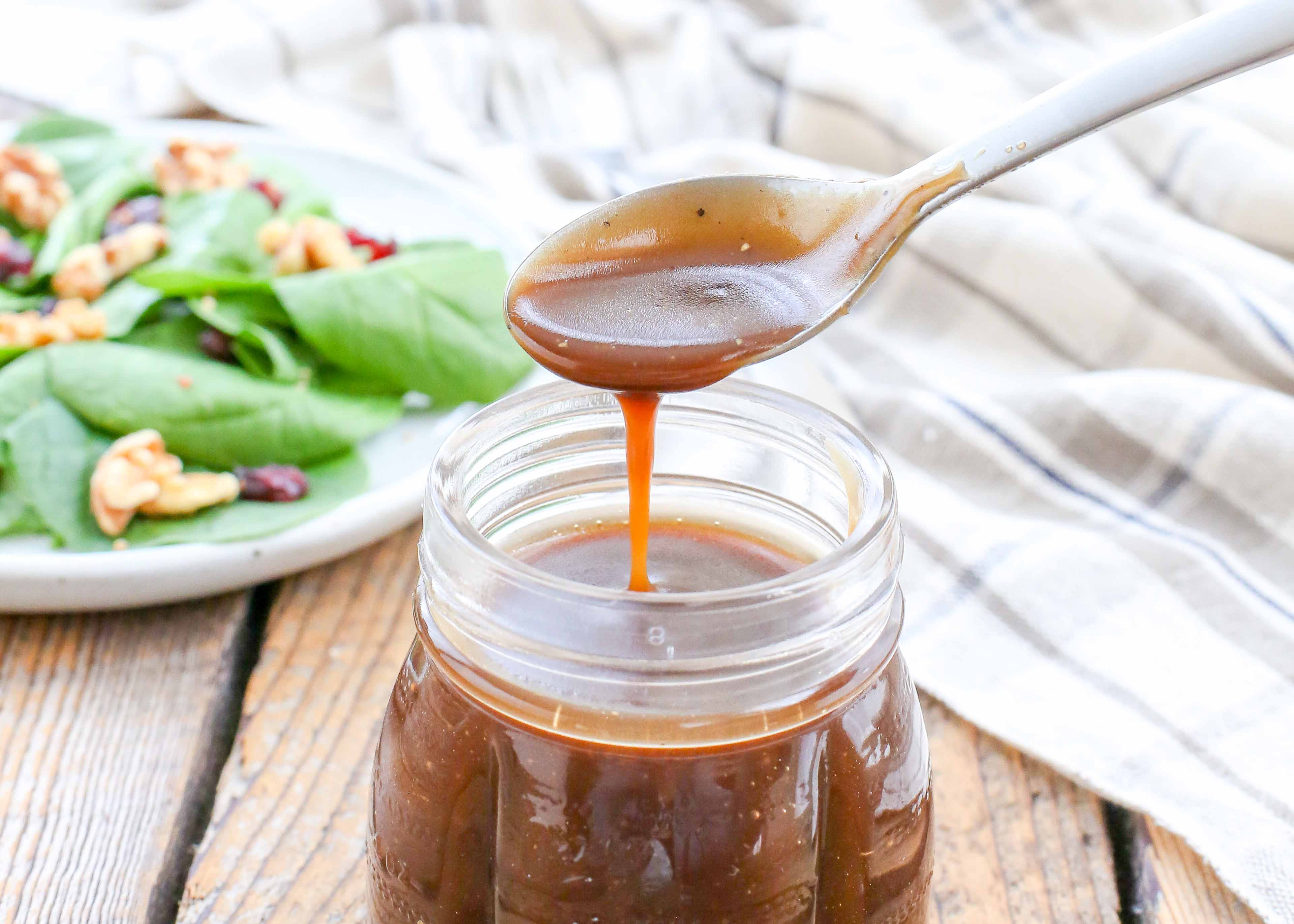
Why Homemade Balsamic Vinaigrette Beats Store-Bought Every Time
In the culinary world, few things are as satisfying as creating something truly delicious from scratch. Among these simple triumphs, whipping up your own batch of balsamic vinaigrette stands out. It's a revelation that often leads to a single, resounding question: "Why did I ever bother buying the bottled stuff?" The truth is, once you experience the vibrant, perfectly balanced flavors of a homemade version, store-bought dressings often pale in comparison. This isn't just about freshness; it's about control, quality, and an undeniable depth of flavor that can transform an ordinary salad into something truly extraordinary.
For those seeking the best balsamic vinaigrette experience, looking beyond the supermarket shelf is the first crucial step. A homemade dressing offers a delightful tang, a nuanced sweetness, and a silky texture that store-bought options rarely achieve, making every bite of your greens sparkle with flavor.
The Unbeatable Appeal of Homemade Balsamic Vinaigrette
Imagine a salad dressing so good, it elevates humble greens, makes roasted vegetables sing, and even enriches grilled proteins. This isn't a fantasy; it's the reality of a skillfully crafted homemade balsamic vinaigrette. The journey to this culinary delight begins with a few pantry staples and ends with a versatile condiment that will leave your guests asking for the recipe.
Why Homemade is Often the Best Balsamic Vinaigrette Choice
The distinction between homemade and store-bought balsamic vinaigrette is stark. While convenience is a factor for pre-packaged options, what you gain in time, you often lose in quality and flavor. Here’s why homemade triumphs:
- Uncompromised Freshness and Quality: You control every ingredient. This means opting for a good quality aged balsamic vinegar, truly extra virgin olive oil, and fresh aromatics like garlic, rather than the often lower-grade oils, vinegars, and powdered additives found in mass-produced dressings.
- Customization to Perfection: One person's ideal tangy-sweet balance might differ from another's. At home, you can tweak the ratios of vinegar to oil, adjust the sweetness with honey or maple syrup, and dial up the pungency with more Dijon mustard or garlic. This level of personalization ensures that you create the best balsamic vinaigrette tailored precisely to your palate.
- Absence of Unnecessary Additives: Store-bought dressings often contain preservatives, emulsifiers, excessive sugar, and artificial flavors to extend shelf life and mimic taste. Homemade versions are pure, clean, and free from these undesirable extras, allowing the natural flavors of the ingredients to shine through.
- Superior Texture and Emulsion: The "silky" texture achieved in a homemade vinaigrette comes from the careful emulsification of oil and vinegar. This results in a dressing that coats every leaf beautifully without being greasy or watery, providing a rich mouthfeel that enhances, rather than overwhelms, your salad.
Crafting Your Perfect Balsamic Vinaigrette: The Art of Balance
The secret to a truly outstanding balsamic vinaigrette lies in achieving a harmonious balance of tartness, sweetness, and richness. After countless experiments and adjustments, many home cooks settle on a recipe that becomes their gold standard – a testament to the power of trial and error. The goal is a dressing that has plenty of bite and tartness, mellowed by a hint of sweetness, and made luxurious by a generous, yet balanced, amount of olive oil.
Key Ingredients for the Ideal Blend
To create the best balsamic vinaigrette, focus on these core components:
- Good Quality Balsamic Vinegar: This is the soul of your dressing. Opt for an aged balsamic for deeper, more complex notes. Its tartness provides the essential "bite" that makes the vinaigrette so invigorating.
- Extra Virgin Olive Oil (EVOO): The other foundational pillar. Choose a high-quality EVOO for its fruity notes and healthy fats. It should coat your salad with rich flavor without making it greasy or soggy.
- Honey or Maple Syrup: Just a touch of sweetness is crucial to balance the acidity of the balsamic vinegar. Honey adds a lovely floral note, while maple syrup offers a slightly different depth and is a great vegan alternative.
- Dijon Mustard: More than just flavor, Dijon acts as a natural emulsifier, helping the oil and vinegar bind together for that coveted silky texture. It also contributes a subtle, piquant kick.
- Fresh Garlic: A minced clove or two adds an aromatic depth and a gentle warmth. If you're a garlic lover, feel free to be generous!
- Salt and Freshly Ground Black Pepper: These essential seasonings awaken and enhance all the other flavors.
The beauty of this simple recipe is its adaptability. Want more garlic? Add it! Prefer a touch less sweetness? Adjust the honey. This flexibility is precisely what makes homemade superior. For an even more detailed guide on perfecting these ratios, check out our insights on The Best Homemade Balsamic Vinaigrette: Tangy, Sweet & Easy.
From Whisk to Blender: Achieving Your Desired Consistency
The method you choose for mixing your vinaigrette can subtly influence its final consistency. Both whisking by hand and using a blender have their merits:
- Whisking by Hand: This is the classic approach. Gradually stream the olive oil into the other ingredients while continuously whisking vigorously. This method typically yields a beautiful, somewhat looser emulsion that still perfectly coats your greens. Many prefer the tactile satisfaction and the slightly less dense texture achieved this way.
- Using a Blender or Food Processor: For those who prefer a thicker, creamier, and more stable emulsion, a blender is an excellent tool. The high-speed blades effectively combine the ingredients, often resulting in a dressing with a smooth, almost velvety consistency. This method is particularly useful if you like your vinaigrette to cling more robustly to ingredients, or if you plan to store it for a few days, as the emulsion tends to hold longer.
Experimenting with both methods will help you discover your personal preference for the best balsamic vinaigrette consistency. The key is to add the oil slowly to allow for proper emulsification, regardless of the tool you choose. For those pressed for time, but still seeking that perfect balance, our Minute Balsamic Vinaigrette Recipe: Achieve Perfect Balance offers quick tips without compromising on taste.
More Than Just Salad Dressing: Culinary Versatility
While homemade balsamic vinaigrette shines brightly as a salad dressing, its versatility extends far beyond the salad bowl. Its harmonious blend of tang, sweetness, and savory notes makes it an indispensable addition to a wide array of dishes.
- Marinades: The acidity of balsamic vinegar, combined with the oil and aromatics, makes it an exceptional marinade for chicken, fish, pork, and even firm tofu. It tenderizes and infuses proteins with incredible flavor before grilling, roasting, or pan-searing.
- Roasted Vegetables: Drizzle your homemade vinaigrette over vegetables like broccoli, asparagus, Brussels sprouts, or bell peppers before roasting. The dressing caramelizes beautifully in the oven, imparting a rich, tangy glaze.
- Glaze or Finishing Sauce: Reduce a portion of your vinaigrette over low heat to create a thicker, more concentrated glaze. This is phenomenal over grilled steak, seared scallops, or a fresh Caprese salad.
- Dipping Sauce: Serve it alongside crusty bread for an elegant appetizer, or use it as a dipping sauce for fresh vegetables.
- Fruit Salads: Surprisingly, the sourness of balsamic is a wonderful complement to sweet fruits. It "sings" on salads featuring apples, oranges, grapes, peaches, pears, and especially strawberries and spinach. It’s an unexpected yet delightful pairing that truly elevates the fruit's natural sweetness.
Keeping a jar of this incredible dressing handy in your refrigerator ensures you're always just moments away from transforming a simple meal into something truly memorable. Its ability to complement so many dishes solidifies its status as a must-have in any home kitchen.
Conclusion
Ultimately, the choice to make your own balsamic vinaigrette is a step towards more flavorful, healthier, and customizable eating. It’s an empowering culinary act that allows you to control the quality of your ingredients and tailor the taste precisely to your liking. The difference in freshness, balance, and overall deliciousness between a meticulously crafted homemade version and its mass-produced counterpart is undeniable. Once you've experienced the rich, tangy, and silky perfection of your own creation, you'll understand why countless home cooks declare it to be the absolute best balsamic vinaigrette they've ever tasted. So, ditch the store-bought bottles and embark on a simple, five-minute journey to salad dressing nirvana – your taste buds will thank you.
